Named one of the world's most powerful women in network marketing

16 Ways To Re-Establish A Back To School Routine


The holidays are over and this is the perfect time to establish a back to school routine. 

Back-to-school time provides a great opportunity for parents and children alike to build good habits, routines, and a checklist of tasks. 

As much as I love the school holidays and getting to spend extra time with my kids, it can often feel like a slog getting back into the groove of things. 

I am not one for a crazy morning rush, with a mad dash from morning wake-up to leaving for school.

This just doesn’t do it for me. 

I like a streamlined schedule and routine as this makes life easier for the entire household. 

This article will provide tips on how to get your child (and yourself) back in the swing of things so they can have a successful start this term and the ones to come.
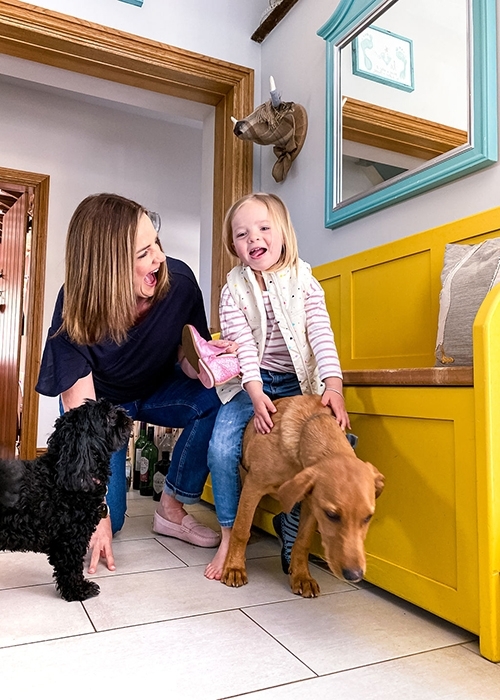
Back To School Routine

Read ’17 Top Tips For Building A Business As A Mompreneur’ here.

Back-to-School Routine Tips 

1.  Start The Night Before

As the age-old Benjamin Franklin saying goes, “If you fail to plan, you are planning to fail.”

Get ahead of the morning routine by planning ahead (this is key!) This is the best approach to defusing morning mayhem.

Before bedtime, have your child take a bath or shower and ask them to pick out an outfit or layout their school uniform for the next day (this is a good way to give the younger ones some autonomy). 

Take some time to go over the next day’s schedule together. Check that bags are packed with all the necessary items, such as books, homework, and changes of clothing. Have everything ready to go near the door.

It’s also important that kids get a good night’s rest so that they can be focused and productive the next day. 

A nighttime routine is just as helpful. You could try engaging in a relaxing activity, such as listening to calming music before bed, which can help with winding the day down and eventual slumber.

The less your children have to battle with first thing in the morning, the smoother the transition will be.

A good time to make lunches and snacks is once the kids are in bed. Set the table for breakfast if you usually have breakfast as a family, otherwise have everything ready to go first thing.  

I also like to decide on what my outfit will be the night before and if I’m heading out after I drop the kids at school I will pre-pack what I may need. 

2. Take Some Time For Yourself

The best thing you can do to start your day is wake up before your kids do. Taking this “me time” is crucial and really sets the tone for the rest of my day.

It helps me show up fully for my family! 

This time may look different for everyone. I personally like to create a bit of a morning routine for myself that helps me feel calmer and more motivated for the day ahead. 

Read ‘How To Have A Healthy Morning Routine’ here. 

3. Make Wake-ups More Pleasant

Early mornings can often jolt you out of dreamland into a harsh beat of reality with an alarm. 

To make this less of a rude awakening I suggest finding alternative ways you can get your kids up and going. 

Maybe set their favourite song as their alarm tone (great for teens) or try waking them up with cuddles and kisses (great for the little ones). 

A more enjoyable wake-up doesn’t mean it has to take longer—it just needs to be gentler.

Back to school routine

4. Follow A Routine

Help your kids (as well as yourself) follow a daily routine. Posting a detailed routine for the morning can also keep the family on track. 

Creating this predictability forms structure and stability for everyone. 

Create a schedule that can be followed before and after school. It can look something like this: Wake up, wash face, get dressed, eat breakfast, brush teeth, look over the day’s schedule, pack lunch and leave for school. 

Having a point-by-point task list should include all the things your kid needs to accomplish before heading out the door. 

A back to school routine checklist is especially important for that first week back. 

Picture schedules work wonders for the little ones or those that aren’t so good at reading yet. 

Example routine for school mornings

Here’s an example of what a back to school routine might look like:

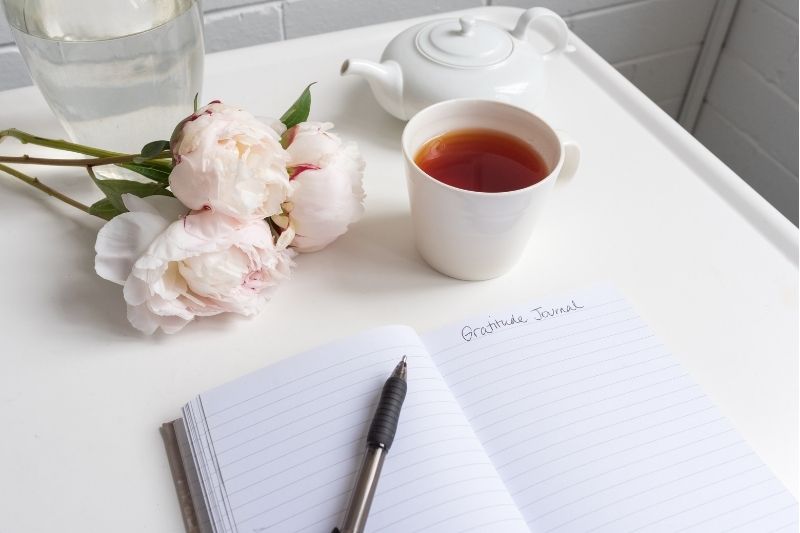
7.30 am: Kids get up and saying something they’re grateful for.

7.40 am: Kids wash their faces and get dressed.

7:50 am: Kids have breakfast.

8.15 am: Kids brush teeth

8.20 am: Kids pack their lunch in their bag and looks at books while you get ready to go.

8.25 am: Kids put on sunscreen. 

8.30 am: Leave for school

Every family will have their own way of doing things. Find what works for you and your family.

Read ‘Being a Role Model For Your Kids: 7 Things Network Marketing Taught Me’ here.

5. Be Positive

Positivity is infectious and a good mood can have a ripple effect.

As a parent, you can set the tone of the day so do your best to tackle the mornings as positively as you can. 

A great exercise to help foster this within the family is by sharing one thing that you’re each looking forward to during the day.

back to school routine

Free Download “Self-Esteem Bingo To Play With Your Kids

6. Clock It Up

Make the time as visible as possible by placing clocks all over the house. Place them in each kid’s room, the bathroom, the kitchen, the lounge and even the hallway — if they’re old enough they could even wear a watch. 

By doing this and making the time more apparent you will help teach them how to manage time and show your kids the value of being on time. 

A great way to help them learn is by providing them with manageable countdowns like: “At 7:50, I need you to be at the table eating breakfast.”

7. Do a “Captain’s-Check”

Get your kids to do a “Captain’s-Check” to make sure they’ve packed everything they need for school before leaving the house. 

The last thing you want is having to run back to school again to drop off an assignment or lunch that’s been forgotten.

8. Reward Your Kids

There’s nothing like a good old rewards system to encourage some good behaviour. 

When implementing this, first determine what the biggest negative contributing factors to the morning are. Then you can build a reward system around this. 

If your kid has hit their goal consecutively by the end of the week, a small reward is encouraged such as a trip out for ice cream, a book, or a treat.

You can also make it fun – for example, try this ‘Beat the buzzer’ game to encourage your child to be ready on time.

Free Download: How To Work From Home: The Ultimate Guide
How to work from home

9. Get Up Early

It’s about working smarter, not harder! 

It’s normal for kids to sleep late over the school holidays. So when it comes to establishing a routine again, a back to school sleep schedule should be put into place towards the end of the holidays. 

Start to wake them up a bit earlier each day in the period leading up to back-to-school.

10. Communicate With Teachers

It’s really important to discuss any needs your child may have with teachers, especially if they may be starting at a new school or getting a different teacher after a school break. 

11. Ban The TV, Computer And Tablet

If you want to make the back to school routine easier on yourself as a parent, try banning any form of electronic entertainment including the TV, video games, computer or tablet during the morning rush.

It’s best to avoid letting your kids turn on any devices even if they’ve finished getting ready and have a bit of time to spare. 

The problem is that once they get stuck in it may be prove difficult to get them to shut down when asked.

12. The Clothes Predicament & Preparation

Whilst most schools have uniforms, there are a few that don’t (my little one’s included) — this can easily turn a happy morning into a right nightmare. 

Young kiddies and girls may find it especially difficult to decide what they should wear for the day.  

This hassle can be avoided by having your kids select the clothes they want to wear the evening before (including underwear and socks!)

The same applies to those that have to wear uniforms. Preparation the night before is KEY to avoiding morning mishaps.

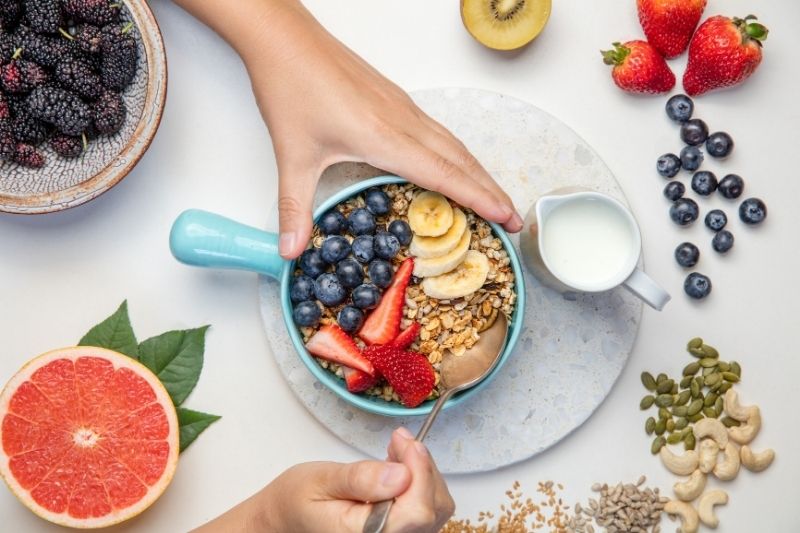
13. Keep Breakfast Simple And Healthy

Make sure your kids start the day the right way with a nourishing breakfast. 

I also like to make sure they have their vitamins and we all have a glass of Forever’s magical Aloe Vera Gel. 

This gives me peace of mind that they have had their daily boost in all of the nutritious goodness. 

back to school routine

14. Label Their School Supplies And Clothes

After a school break, you can build excitement about going back to school by getting new school supplies and labeling them — this also helps items not to get lost!

Get the kids involved in doing this with you. This is a great way to bond and have a chat with them about what they’re looking forward to or concerned about. 

15. Use A Back To School Checklist

Whether it’s the start of the school year, or the beginning of Term 3, having a back to school checklist will make your life and your kids’ so much easier. 

Create two lists — one for you as the parent and one for each of the kids.

Identify all the tasks that need to be done — uniforms, books, haircuts, shoes, etc. — and write these down, along with a timeline of when you want it done. 

Read ‘Good Parenting Tips For Improving Your Parenting Skills’ here.

16. Stay Organised With A Designated School Space

Having a designated school space at home can help you and your kids to be more organised and manage the school routine much better. 

The school space or whatever other fun name your kids may want to call it, is the place where all school items are kept and/or returned to – school bags, lunch boxes, shoes, sporting goods, etc. 

Using a space like this can also help your kid develop their own self-management skills and promotes their success in adhering to their “Chart Tasks” by limiting the number of places they need to look for something they need for school.

Let Going Back to School Be A Breeze

Establishing a back to school routine doesn’t have to be stressful. Preparation really is the key. 

I also find it incredibly helpful being a mompreneur that gets to work from home as this gives me so much flexibility in supporting my kids during these periods. 

If you’re at all curious about what I do contact me here and let’s chat!

I hope this article has provided you with some helpful insights into how you can establish a winning back to school routine.

Please click the social icons to share this with your network and help inspire them to action today!

With love,
Nat

Free Download “Self-Esteem Bingo To Play With Your Kids
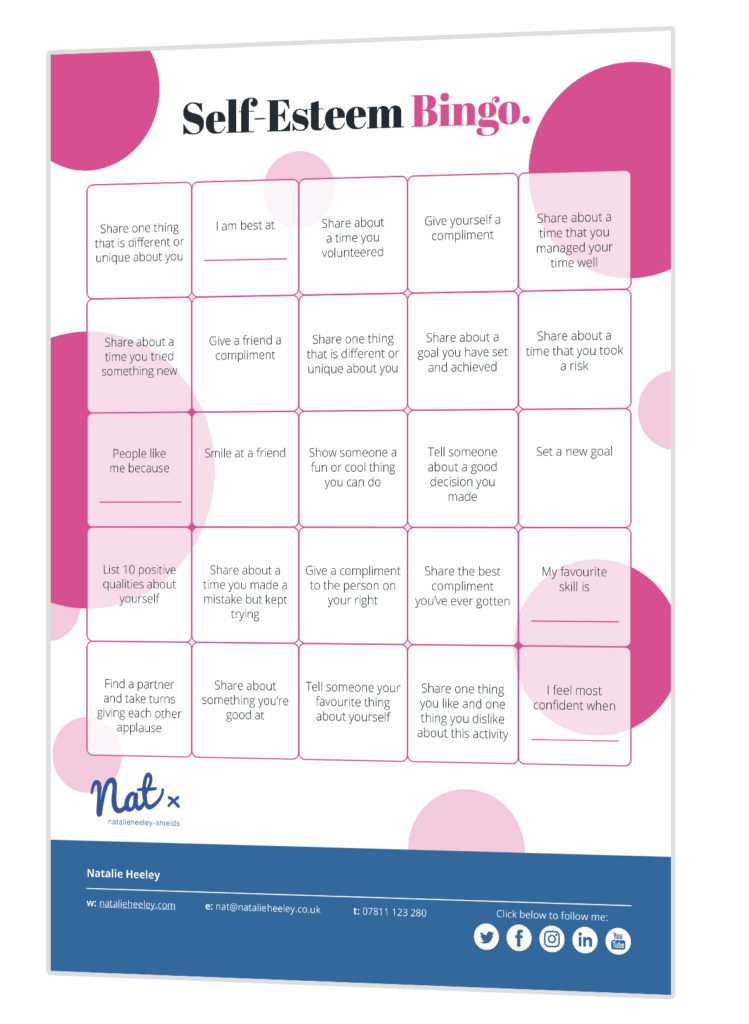
Self Esteem Bingo


29 Tips On How To Build Confidence In Kids


Confidence in kids is extremely vital to their healthy self-development. With how the world currently is, it seems that this is something that has taken a detrimental knock on many children. 

If we had thought being a kid was tough in the age of the internet (cyber-bullying/ constant comparison), try that on with a pandemic on top (and a rise in mental health issues). 

A confident child with good self-esteem will be better equipped to face the ins and outs of everyday life — they would know how to stand up for themselves, be responsible, take ownership, deal with frustration and challenges, as well as positive and negative emotions. 

Us parents play an important role in helping to build and instil this confidence within these young souls. It’s up to us to be very intentional with how we can help them. 

In this article, I look at the top tips on how to build confidence in kids so that they can thrive in life regardless of what’s happening in the world. 

30 Tips On How To Build Confidence In Kids During A Pandemic
Read ’23 Reasons Why Network Marketing is the Biz To Be In Right Now’ here.

30 Tips On How To Build Self-Confidence In Kids
1. Show Your Love Unconditionally 

Confidence In Kids

This may seem obvious, but it’s the most important. Your child needs to know that you love them no matter what. 

Whether they win or lose that sports match, get good grades or not, or even when you may be upset with them.

Unconditional love builds a strong foundation for a confident child.

The way our kids believe we see them has a profound impact on the way they see themselves. So the role we play here is extremely important. 

2. Provide Positive Feedback And Praise

Children need to receive praise and positive feedback — what you as a parent think has an impact on how they measure their worth and achievements. 

Don’t go and praise them for everything, be genuine with what you say. If they fail at something or struggle with a particular skill, praise the effort, but don’t be disingenuous with praising the results. 

Encourage them that it’s okay to not be able to do everything perfectly and that some things take time and practise. Or they can move on altogether if it’s not for them.

3. Help Them Set Goals

Self-confidence in kids will increase when you help them set realistic goals. When a child has a dream, you want to be able to support them in making it a possibility in whatever way you can, even if it may seem ridiculous to you. 

Getting them to share their goals, large and small, and helping them achieve them will help make them feel strong and capable. 

Turn their desires into actionable goals by encouraging them to make a list of things they’d like to achieve. Then, practise breaking down these longer-term goals into practical benchmarks. 

You’ll be validating their interests and helping them learn the skills they need to attain their goals throughout life.

4. Model Self-love And Positive Self-talk

The way your kids will love and speak to themselves will be based on how you love and speak to yourself. 

You don’t realise it but kids pick up on everything and model that behaviour. So speak to yourself with kindness and love. Celebrate yourself when there’s personal success and share it with them. 

Read ‘Being a Role Model For Your Kids: 7 Things Network Marketing Taught Me’ here.

5. Give Them Age-appropriate Tasks And Responsibilities 

A great way to boost confidence in kids is by giving them age-appropriate responsibilities and chores to do as they will feel they are making a valuable contribution and that they are needed. 

This could include tasks such as making the bed, feeding the pets, setting the table, folding clothes, picking up toys, fetching siblings etc.

Confidence In Kids

6. Teach Resilience And That Failure Is Normal

It’s totally normal to want to protect your kids from failure. There’s nothing worse than seeing your child sad or disappointed, but failure builds resilience and is how they learn. 

Falling short on a goal or not getting something 100% right will help them realise that the world won’t end if this happens. 

Show them how they can use these experiences as lessons and talk about what steps they could possibly take next time. 

7. Instil Independence And Adventure

Kids who are confident will be excited to try new things without fearing that they may fail. 

A great way to do this for younger kids can be by baking or cooking together and giving them most of the responsibility while you supervise. 

Encourage your kids to try new things and go new places. Day trips and outings, new hobbies, holidays and trips with mates or schoolmates can all expand your kids’ horizons and build confidence in their ability to handle new situations.

8. Encourage Physical Activities And Sports

Movement is not only important because of the health benefits, but also because it can help kids learn to recognise their strengths and weaknesses (which they’ll accept or strengthen), manage defeat, expand their group of mates and learn how to work in a team.

This will also help them stay fit and learn to appreciate and value their bodies.

Encourage them to find a physical activity that they really enjoy, don’t push an activity on them because it’s what you want them to do.

Free Download: How To Work From Home: The Ultimate Guide

How to work from home

9. Support Their Passions

Confidence In Kids

Exploring their own interests can help kids develop a sense of identity, which is essential to building confidence. 

And as they see their talents grow, this will also give them a huge confidence and self-esteem boost 

Make sure as the parent you respect and encourage your child’s interests — even if it doesn’t necessarily interest you.

10. Think Before You Compliment

We know that kids need loads of encouragement, especially when they’re doing things for the first time like learning to walk or draw. 

It’s important to be very intentional with the praise we give, as children can get very used to hearing “well done” or “nice work” that they will then struggle to know when their accomplishments are really worth celebrating. 

Also, it’s not necessary to give praise when they do something they’re supposed to do like brushing their teeth or putting their clothes in the wash, just saying “thank you” is enough.

Try to offer specific feedback: Instead of saying that your kid’s drawing is beautiful, maybe point out their brilliant use of colours.

11. Let Them Make Age-Appropriate Decisions

Confidence in kids gets built when you allow them the chance to make choices from a young age. 

Let them make age-appropriate decisions like what to wear, what to eat for breakfast, what game to play or colour to use, where to go on an outing etc.

12. Encourage Them To Try New Things

Encourage your kids to try new things. It’s healthy for kids to diversify instead of always focusing their energy on what they already know or do well at. 

Attaining new skills makes kids feel capable and confident that they can do whatever comes their way.

13. Practice Positive Self-Talk With Them

This is a good tip for us adults too!

Both adults and kids can so easily get caught up in the negative and damaging self-talk: “I can’t do this,” or, “I’m terrible at __________,” or, “What is wrong with me?”

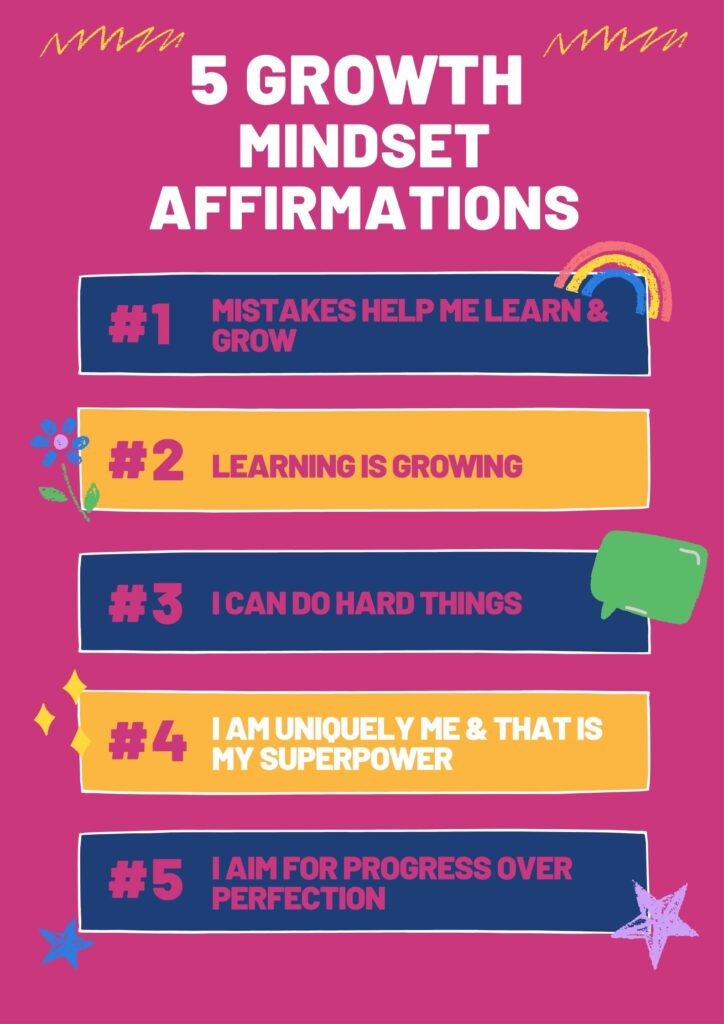
Try one of these growth mindset affirmations in the image for encouragement.  

Confidence In Kids

14. Promote Problem Solving

Encourage your kids to problem-solve instead of always giving them the answer. 

Critical thinking is so useful especially in giving a child a sense of confidence to know they can work things out on their own. 

This is just about creating space for this, if they need your help you can step in.

15. Set Rules And Be Consistent

First and foremost you are the parent, not a best friend. It’s important that you create structure and healthy boundaries for your kids. 

Learning and following rules give kids a feeling of safety and confidence. Every family and home will have different rules and these will change over time based on their age.  

Read ‘Good Parenting Tips For Improving Your Parenting Skills’ here.

16. Encourage Them To Get Involved In Helping Others 

Boost confidence in kids by encouraging them to help others. The opportunity of helping others is something kids are naturally drawn to whether it’s helping mum in the kitchen or taking biscuits to an old age home. 

17. Model And Work On Your Own Confidence 

As we already know, our kids model us, so it’s important to focus on improving your own confidence.

Start by making positive comments about yourself and others in your kid’s presence.

18. Join In On Their Play

Joining in on your kid’s play or activity communicates that they are important to you and worth your time. 

Allow your kids to choose the activity, as well as lead it.

This gives them autonomy and when they see you engaged and enjoying the activity this will bring them joy and a sense of accomplishment. 

19. Don’t Get Upset About Mistakes

It’s important that kids know that everyone makes mistakes and it’s how they learn from them that really matters. 

People who are confident don’t let the setbacks or failures get them down, they move forward regardless taking in each lesson.  

20. Embrace Imperfection

Perfectionism is something many adults still battle with, that’s why it’s vital for us to teach our kids early on that it’s completely unrealistic. 

Help your kids to understand that what they see on TV, magazines, or on social media, is not always a real representation of how things really are.

The impression that others are always happy, successful, and perfectly dressed is a fantasy and an adverse one at that. 

Instead, remind them that as human’s we are imperfectly perfect and that’s enough. 

21. Encourage Them To Express Their Feelings

Encourage your kids to express their feelings — both positive and negative emotions — help them talk through these emotions and navigate them in a healthy way.

22. Address Them By Their Name

When looking at how to build confidence in kids, a simple way to communicate that they’re important is by addressing them by their name in a friendly way (especially with kind eye contact). 

23. Make Time For Them That Has Your Undivided Attention

This is essential to making your kids feel valued and confident.

Make sure you set aside time for them where you can be 100% present. 

Kids know when you’re not completely there and your mind is elsewhere.

Put away any distractions like electronics and make sure they are getting your undivided attention.

Confidence In Kids

Read ’15 Tips For Helping Kids With Anxiety During Lockdown’ here.

24. Speak Positively To Others About Them And Let Them Overhear

Another easy way to boost your kid’s confidence is to inadvertently let them hear you sing their praises to others on their accomplishments or efforts. 

25. Don’t Ever Compare Them To Others

This is a big no-no! Absolutely avoid comparing kids to their siblings, friends or classmates (basically anyone). 

Comparisons can be extremely detrimental and damaging on children and can cause them to doubt themselves, believe that they can’t please you or meet your expectations, and ultimately lose total confidence in who they are.

26. Surround Them With People Who Are Positive And Confident 

Like the old adage goes “you are the company you keep” could not be more true. 

You want to make sure that your kids are surrounded by people who are positive and confident as this will have an impact on them. 

It’s also important that these people are uplifting and encouraging so that they can add to the growth and vibrancy of their life. 

27. Ask Them For Their Advice Or Opinion

A powerful way to build confidence in kids is by asking them for their advice or opinions on situations that are age-appropriate for them

This shows them that even adults don’t always have all the answers and that it’s okay to ask for help when you need it.

Confidence In Kids

28. Create A Wall Of Fame To Acknowledge Their Achievements

This is such a beautiful way to express your admiration and appreciation for your kids’ accomplishments. 

Having a “Wall of Fame” can be an excellent tool for giving kids that confidence boost in moments of self-doubt. 

It could showcase anything from grades, drawings, trophies, certificates, art projects, photos of certain accomplishments etc. 

29. Show Them Physical Affection 

Physical touch and affection is a vital love language and is essential to making children feel joyful and confident. 

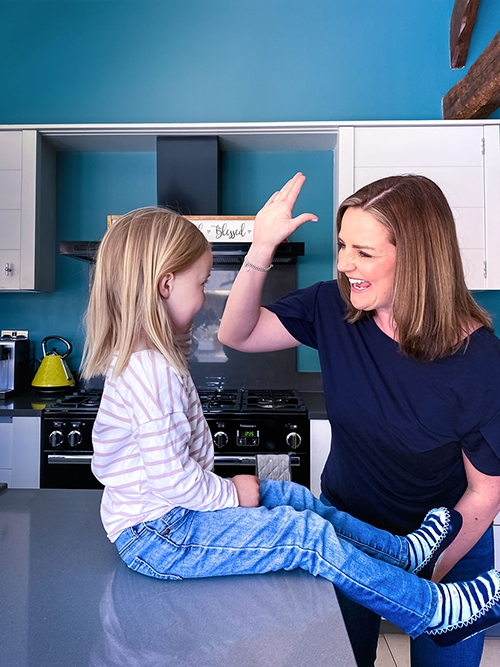
This could be anything from high fives, back pats, hair tousles, hugs, shoulder/ hand squeezes etc. to show that they are loved, cared and valued. 

The Future Needs Confident Kids

We are responsible for shaping the next generation. Confidence in kids is needed now more than ever, especially with how different the world now is that they are growing up in.

As parents, we need to do our best in how we help develop our kid’s confidence (as well as our own)! The way we see ourselves is how they see us too. 

I hope this article served you and provided you with some helpful tips on how to instil confidence in your kid.

Please feel free to share in the comments below and ask me any questions. 

Please click the social icons to share this with your network and help inspire them to action today!

With love,
Nat

Free Download “Network Marketing: The Stay At Home Mums Guide To Making Money Online

Networking marketing guide


15 Self Help Books for Women To Empower Themselves With In 2021


Self-help books for women are the perfect tool for self-empowerment. 

They can be a kind of manual for self inquiry and insight and can help guide you to make changes to your every day life while giving you the autonomy to make those changes at your own pace.

Leaders are readers and if you want your business to grow you have to grow. Plain and simple. 

Feeling ready? Let’s go!

What Are Self-Help Books?

self-help books for women

Self-help books will generally provide actions that the reader can implement to help them reach a specific outcome or expectation.

Whereas, personal development books often help you develop personal skills that can be beneficial when looking to improve personally or professionally.

Many self-help books offer strategies that the author has personally used to improve their lives, while others are based on research and scientific inquiry.

Self-help books have the power to give you insights, knowledge, and guidance on how to improve your life, thinking, or circumstances.

Read ‘A Simple Guide On Forming New Habits For A Happy and Healthy Life‘ here.

Do Self-Help Books Actually Work?

They can if you actually implement the actions and steps provided for self-improvement.

No amount of reading and books will magically change your life if you don’t do the work.

Self-help books can give you all the tools to improve your life, but you won’t see results unless you take the time and make an effort to apply the teachings and principles that these books give you.

self-help books for women

Read ’57 Abundance Affirmations To Call In A Prosperous 2021′ here.

4 Reasons To Read Self-Help Books For Women

  1. It will help you see yourself and the world through a more positive lens. 

When you read a book that’s inspiring and uplifting, your brain gets flooded with lots of positivity and uplifting thoughts and ideas. Making time to read so you can experience this will naturally raise your vibration and keep you in a more optimal state of mind. 

2. It will inspire you to make better choices in life and motivate you to take positive actions more often.

Most self-help books for women will come with exercises and prompts that will encourage you to think deeper about the choices you make and why you make them. 

It will get you to honestly evaluate your life so you can see what changes need to be made while still feeling empowered and good about yourself. 

3. Self-help books have the potential to expand you, not improve you. 

Reading an inspirational book is not about improving your life, it’s so that you can enhance your life. Self-help is all about expanding more of who you are so you can live to your fullest potential. 

Reading an inspirational book is not about improving your life, it’s so that you can enhance your life. Self-help is all about expanding more of who you are so you can live to your fullest potential. 

4. Can cultivate deeper self-awareness and elevate self-growth.

Reading self-help books can help you deepen your self-awareness. When you start to cultivate awareness around your actions and become more conscious of your thoughts, you can begin to reframe negative thought patterns and replace them with more empowering ones. 

When you feel like you have more control and begin to embody more of your power you will naturally feel an urge to keep growing and fostering self-excellence.

You will find yourself wanting more and mapping out a vision and plan for what you want in your life. 

self-help books for women

Free Download “10 Steps on How To Create A Dream Book”
& Visualize Your Dream Life Today!

How To Create a Dream Book book

15 Must-Read Self-Help Books for Women

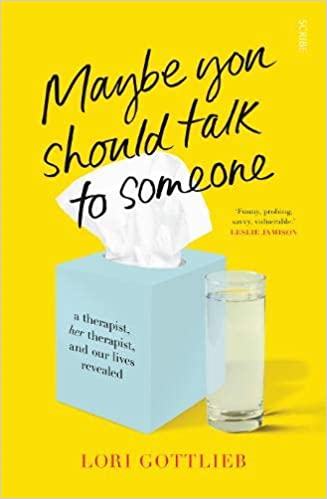
1. ‘Maybe You Should Talk to Someone’ by Lori Gottlieb

'Maybe You Should Talk to Someone' by Lori Gottlieb self help books for women

Lori Gottlieb shares her profoundly personal experience when she makes the switch from clinician to patient, and what we can all learn when we decide to be vulnerable. 

This book does a beautiful job of sticking to the reality of therapy or counseling with complete honesty and authenticity. Lori Gottlieb’s handling of sensitive or difficult feelings in her own therapy and her work with her patients is inspiring. 

You may find yourself relating to so many things she says about her patients circumstances and her own. Definitley a book to add to the top of your reading list!

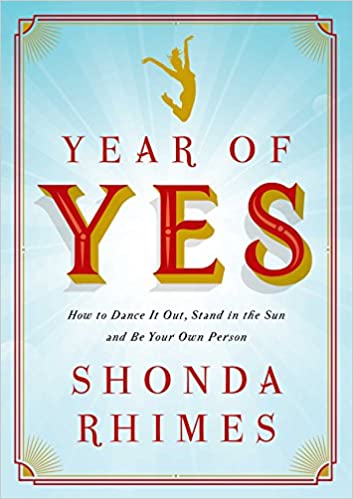
2. ‘Year of Yes’ by Shonda Rhimes

'Year of Yes' by Shonda Rhimes self help books for women

The Year of Yes by the creator of Grey’s Anatomy and Scandal, Shonda Rhimes, shows you exactly how, a self-proclaimed introvert, went on to be the creator of some of the most popular TV shows. 

This book speaks to pushing through fear and saying yes no matter how scary it may be for you because on the other side is all the opportunities you’ve been dreaming of. 

Read ‘9 Ways to Increase Productivity Working From Home During Covid-19’ here.

3. ‘You Are a Badass by Jen Sincero

'You Are a Badass' by Jen Sincero self help books for women

This book is choccas full of hilariously inspiring stories, sage advice, easy exercises, and the occasional swear word, helping you to:

  • Identify and change the self-sabotaging beliefs and behaviours that stop you from getting what you want.
  • Create a life you totally love. And create it now!
  • Make some damn money already. The kind you’ve never made before.

Sincero has a way of making you feel like you’re talking to a friend, there are no airs and graces in this book. It will leave you feeling motivated and inspired to take action. 

4. ‘Big Magic’ by Elizabeth Gilbert

Big Magic' by Elizabeth Gilbert self help books for women

Elizabeth Gilbert is well known for her ability to inspire others, and in this book, the focus is on the benefits of having a sense of creativity in life. 

Gilbert offers her unique perspective and insights into the importance of embracing your curiosity in order to let go of suffering. She discusses techniques to live in line with your values and how to overcome the things you fear the most.

A fantastic and inspirational read if you are trying to channel creativity or just interested in the process.

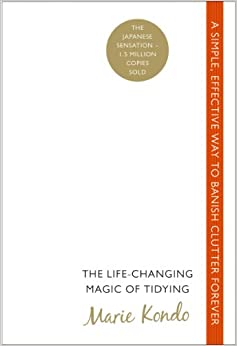
5. ‘The Life-changing Magic Of Tidying Up’ By Marie Kondo

The Life-changing Magic Of Tidying Up By Marie Kondo self help books for women

This book will make you think about why you keep things and encourages you to examine what you actually need.

It is incredibly empowering to organise and declutter your space around you. This book speaks into this and shows how something so simple can make such a shift in your life. 

6. ‘Tiny Beautiful Things: Advice on Love and Life from Dear Sugar’ by Cheryl Strayed

Tiny Beautiful Things: Advice on Love and Life from Dear Sugar by Cheryl Strayed self help books for women

A book you’ll find yourself coming back to time and time agian. It includes many submissions from anonymous individuals discussing their concerns and asking for advice.

You may find that while reading this book and other peoples stories, you are humbled hearing about their struggles and pain, yet you will not feel that your own experiences don’t have significance. 

This book is about recognising our own pain and joys and learning to be more loving to each other. To be courageously honest with ourselves so we can be the absolute best version we can be.

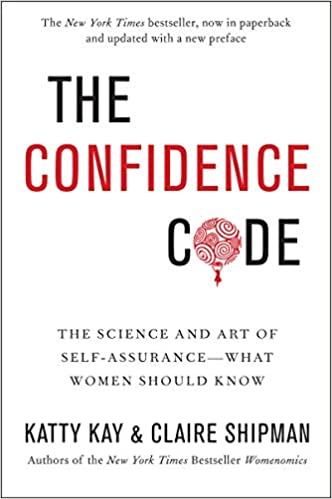
7. ‘The Confidence Code: The Science and Art of Self-Assurance—What Women Should Know’ by Katty Kay and Claire Shipman

The Confidence Code: The Science and Art of Self-Assurance—What Women Should Know by Katty Kay and Claire Shipman self help books for women

Written by journalists Katty Kay and Claire Shipman, the lessons offered in this book explore the neuroscience behind confidence and how women can actually choose to improve their confidence by being proactive and taking risks. 

The authors show readers how their actions can help rewire their brains to improve self-confidence, which can then increase success, life satisfaction, and leadership abilities.

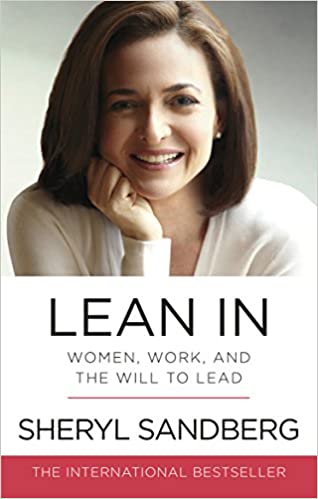
8. ‘Lean In: Women, Work, and the Will to Lead’ by Sheryl Sandberg

Lean In: Women, Work, and the Will to Lead by Sheryl Sandberg self help books for women

Following her 2010 TED Talk, Sheryl Sandberg compiled this book of personal anecdotes, scientific data, and cutting-edge research to help women pay more attention to what they can do than what they can’t do.

Sandberg uses her own experience, backed by facts from credible research. She doesn’t just moan about life, she provides ways on how to actually make things better.

She uses humour and insight to offer women tips to incorporate their professional achievement with a personal sense of fulfilment. 

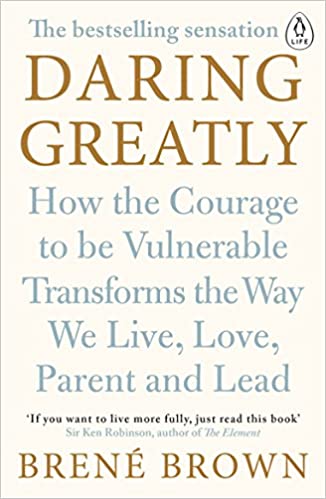
9. ‘Daring Greatly: How the Courage to Be Vulnerable Transforms the Way We Live, Love, Parent, and Lead’ by Brene Brown

Daring Greatly: How the Courage to Be Vulnerable Transforms the Way We Live, Love, Parent, and Lead by Brene Brown self help books for women

This is the kind of book that will inspire you to be more courageous. Brene Brown, a trailblazing researcher, makes a strong argument in this book that one’s willingness to be vulnerable is directly related to their courage. 

Furthermore, she proposes that if we don’t let ourselves to be vulnerable, we are limiting our exposure to experiences that give our lives purpose.

10. ‘The Miracle Morning: The 6 Habits That Will Transform Your Life Before 8AM’ by Hal Elrod

'The Miracle Morning: The 6 Habits That Will Transform Your Life Before 8AM' by Hal Elrod self help books for women

Leaders get an early start on the day with a solid routine and this is exactly the sentiments that come through in this book. 

If you struggle with maintaining a routine and want to change the way you approach things, give this book a go. 

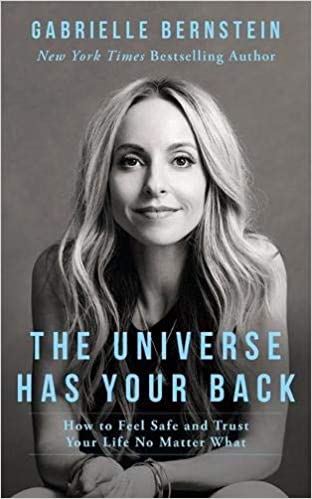
11. ‘The Universe Has Your Back’ By Gabrielle Bernstein

'The Universe Has Your Back' By Gabrielle Bernstein self help books for women

This book shares Gabrielle Berstein’s stories and universal lessons which provide a framework for releasing the blocks to what everyone most longs for: happiness, security and clear direction. 

These lessons can help us relinquish the need to control in order to relax into a sense of certainty and freedom – to stop chasing life and truly live.

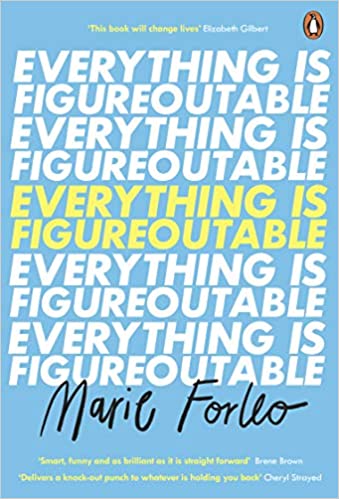
12. ‘Everything Is Figureoutable’ By Marie Forleo

Everything Is Figureoutable By Marie Forleo self help books for women

This book will show you how to face your fears and develop the mindset to figure out how to solve any challenge in your life.

The book reads like a great coach encouraging you as you reflect, contemplate, delve deeper, gain insights and challenge your thinking, all of which are crucial to changing how you perceive any problem that comes your way.

Marie also uses anecdotes and science to help explain concepts.

This book has helpful tools that can help you develop your mindset, transitioning from the thinking that holds you back. 

13. ‘Girl, Stop Apologizing: A Shame-free Plan for Embracing and Achieving Your Goals’ by Rachel Hollis

Girl, Stop Apologizing: A Shame-free Plan for Embracing and Achieving Your Goals by Rachel Hollis self help books for women

This book gives you a guide on “how” to achieve the goals you know you want or how to take dreams and make them into tangible goals. 

Rachel Hollis gives you information that you could potentially know in the back of your mind, but she will make you think about it from a new perspective–and then she encourages and inspires you to take action. 

If you’re ready to reach for the stars then this is a must-read!

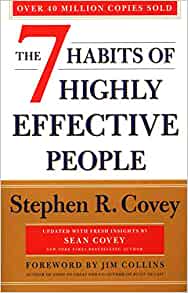
14. ‘The 7 Habits of Highly Effective People: Powerful Lessons in Personal Change’ by Stephen R. Covey

'The 7 Habits of Highly Effective People: Powerful Lessons in Personal Change' by Stephen R. Covey self help books for women

This book provides an essential guide to leadership with a lifetime of lasting lessons. 

As one reads through it, a clear vision forms: build your private victory by being proactive, have a set of values and principles that deeply touch who you are and only after that build synergy with the people around you by listening with the intent to understand first and then think.  

This book will give you a set of rules on how to live a productive, harmonious and happy life!

15. ‘Untamed’ by Glennon Doyle

'Untamed' by Glennon Doyle self help books for women

This is a book every woman should read. It’s honest, authentic and so very relatable. 

In the book, Glennon Doyle takes readers through her journey to living a truly authentic life that will inspire them to do the same. And, don’t forget, “We can do hard things.”

Read ’20 Must-Read Network Marketing Books To Maximise Your Earnings in 2020′ here.

Empower Yourself! Get Reading!

Give yourself at least 15 minutes a day dedicated to reading. It may feel difficult at first to be consistent but the benefits will be worth it! 

You can expand your creativity, productivity, positive self-image, and skills just from a few minutes of daily reading. 

I hope this article served you in some way and that you found nuggets of value.

Please feel free to share in the comments below and ask me any questions. 

Please click the social icons to share this with your network and help inspire them to action today!

With love,
Nat

Free Download “Network Marketing: The Stay At Home Mums Guide To Making Money Online

Networking marketing guide


A Simple Guide On Forming New Habits For A Happy and Healthy Life


Forming new habits means kicking old habits and this can be a sticky area for some. The easiest part is often starting, but following through is the real test. 

When you can get good at forming new habits for yourself, you are taking a leap into your own self-empowerment and this is a brilliant skill to have, especially as a business owner. 

When wanting to cultivate new habits, it may seem daunting at first, but really all you need to do is start small. 

In this article, I’ve put together an easy guide that provides simple steps and tips on how you can begin to form new habits today for a happy and healthy life!

8 Easy Steps To Forming New Habits

forming new habits

Step 1: Focus on One New Habit At A Time

This may seem like a pretty obvious one, but in the chaotic world we live in today it seems normal for people to be juggling multiple things at a time. 

I don’t suggest doing this when aiming to form new habits. By spreading yourself too thin and trying to implement too many new habits at the same time you will likely find yourself unsuccessful. 

The key is to focus on one new habit at a time so your energy is specifically channelled to one thing and not easily depleted. 

Ask yourself: 

“What one new habit do I want to form?”

You want to identify a habit that you can do all the time — on a daily basis — something that can fit into your life relatively easily even when you may not feel like it. 

Step 2: Be Consistent & Commit for At Least 30 Days

So apparently the whole premise of it taking 21 days to form a habit is actually a myth

Ultimately, the time will vary from person to person and habit to habit.

It may take one person longer than another to build a habit, and you’ll find that some habits are easier to develop while others will require more effort. 

Work on an average of about 66 days to establish your new behaviour as automatic.

Commit to at least 30 days whereby during this time your whole life should be structured around a dedicated time every day to doing it consistently. 

Step 3: Use An Established Habit To Anchor Your New Habit Onto

A habit should be something you can easily establish into your life.

It shouldn’t be something that requires extreme motivation or short-lived desire. Instead, it should be ingrained into your life to the point where it becomes habitual. 

It’s just about being able to commit to something daily, forever. 

By using the concept of the habit loop you’ll be able to form long-lasting habits. 

A brilliant example of this comes from B.J. Fogg and his “Tiny Habits” concept. 

He explains that what you want to do is to commit to a very small habit change and take baby steps as you build on it. 

A key aspect of his teaching is to “anchor” the new habit to something you already do on a daily basis.

“After I wake up in the morning and have my morning pee, I will list 5 things I’m grateful for.”

“After brushing my teeth at night, I will spend 10min reading.”

“After I drop off the kids at school, I will go to my yoga class.”

All that’s needed is to find a habit you already consistently do and then anchor it with new behaviour.

waking up early for forming new habits

Step 4: Take Baby Steps

When committing to forming new habits it’s important to not rely on motivation alone because the problem is that if you, then there’s no alternative for when you’re not in the mood. 

The only real way to make a habit stick is by turning it into an automatic behaviour. This can be done by taking baby steps and forming a low level of commitment. 

This basically means creating a micro-commitment where it’s less likely to fail. Daily consistency and not missing a day is more important than hitting a specific milestone. 

By having a low level of commitment, you’ll be more likely to get started and stay on course.

Examples of micro-commitments include:

Walking for just 5 minutes a day.

Reading for just 10 minutes a day.

Drinking a cup of lemon water after you wake up. 

Taking your vitamins after breakfast.

Making three calls to a prospective person or customer for your business a day.

Waking up each morning 10 minutes earlier.

When forming new habits the key is to make micro-commitments, focusing on baby steps and small wins. 

These actions may seem overly simplistic but that is where the power lies!

Read ‘Goal Setting How To: A Guide For Mums Who Want Massive Success‘ here.

Step 5: Be Prepared For Obstacles & Excuses 

When cultivating new habits, now that there will be obstacles and you may find yourself wanting to make excuses. 

When you can foresee in advance what your obstacles will likely be, you’ll then be able to prepare for how you’ll overcome them. 

Examples of common obstacles:

Time

Pain

Weather

Space

Costs

Self-consciousness

Lack of sleep 

A good way to combat an obstacle is by using “If-Then” statements. 

These could look like: 

“If I check the weather and it’s raining, then I will run at the gym instead.”

“If I don’t make all my calls to new prospects today, then I will make them us tomorrow.”

“If I get too busy and miss my yoga/ gym class, I will do the workout at home instead.”

Free Download “10 Steps on How To Create A Dream Book”
& Visualize Your Dream Life Today!

How To Create a Dream Book book

Step 6: Be Accountable When Forming New Habits

Creating accountability for your habit is essential as this will help you stick with your new routine. 

You can do this by tracking your actions and making public declarations about your newfound habit. 

According to the lessons learned from the Hawthorne effect, you’re more likely to follow through with a commitment when you’re being observed by others. 

So to help you keep up with your new routine, let others know about your efforts and goals.

You can do this by: 

  • Posting updates on social media accounts 
  • Using apps for tracking progress
  • Work with an accountability partner
  • Be a part of an online community related to the habit where you can post about your progress

Social approval is brilliant for holding you accountable and making sure you stay focused and consistent as you build your new habit. 

forming new habits

Step 7: Reward Yourself 

Make cultivating a new habit fun.

Build a reward system into the experience so you consciously take the time to celebrate the achievement of your goals no matter how small they may seem. 

The reward can be anything you desire as long it’s something you love and within a healthy boundary. 

Having a defined reward for repeatedly completing an action will undoubtedly keep you on the straight and narrow for your new routine. 

Step 8: Develop a New Identity

So committing to a new habit and being consistent is only the first part.

The second and most important piece to forming a new habit is making it a part of your core identity. 

It’s here where you’ll be able to do it without the need for constant reinforcement. 

James Clear, the author of “Atomic Habits: An Easy & Proven Way to Build Good Habits & Break Bad Ones” talks about something he calls Identity-Based Habits

He explains that in order to change your behaviour for good, you would need to start believing new things about yourself. 

So instead of you just doing something habitually for the sake of wanting to do it, it’s the type of person you identify with that will complete this action daily. 

Eventually, your internal identity will match this daily routine as you start forming new habits.

Read ‘How to Cultivate an Attitude of Gratitude: For Mums Who Want To Feel Good’ here. 

forming new habits

Tips On How To Form Healthy Habits That Stick

1.

It Has To Be Daily – Consistency is the name of the game if you want to make a habit stick. Make sure this new habit is something you can realistically do every day. Activities that you can only do every few days are a lot harder to implement as habits.

2.

Start Simple – Slow and steady wins the race. It can be easy to get overly excited and motivated and take on too much when forming new habits. This then results in disappointment when you’re unable to keep up. Start simply and then build on from that. 

3.

Have Reminders – When forming your new habit, it can be easy to forget. So to avoid missing a day, place reminders around your house or on your phone and laptop that will prompt you to complete your habit each day.

4.

Have An Accountability Partner – Find someone who will either go on the journey with you or someone you can be accountable to and will keep you motivated if you ever feel like giving up.

5.

Replace Lost Needs – If you are giving up something in your habit, make sure you are sufficiently replacing any needs lost. If sleeping later makes you think you’re more alert during the day, try taking a nap or meditating during the day to make up for it. 

Read ‘Being a Role Model For Your Kids: 7 Things Network Marketing Taught Me’ here.

6.

Be Imperfectly Perfect – Don’t expect to be perfect when you begin forming a new habit. It’s okay to have a few setbacks and start again. Focus on your intention over perfectionism.

Don’t expect to be perfect when you begin forming a new habit

7.

Remove Any And All Temptation – Prepare your environment so you will be less tempted to veer off course when forming your new habit. Remove any junk food or alcohol from your house, toss out the cigarettes, prepare your workspace etc. 

8.

Find A Role Model – Spend time with people who model the habits you want to mirror. Your environment and who you surround yourself with impacts who you become.

forming new habits

9.

Understand the Benefits – Get clear with what the benefits are to making this change

10.

Know the Pain – On the opposite side to the above, you should also be aware of the consequences. Knowing what the downside would be to not following through on your new habit will give you added motivation — for example not exercising.

11.

Do it For Yourself – You have to be forming this new habit for yourself and no one else otherwise it will never stick long term. Get very clear on your intentions around why you want to implement this new habit into your life and how it aligns with your goals. 

3 Top Books On Forming New Habits 

Atomic Habits Book

1. Atomic Habits: An Easy & Proven Way to Build Good Habits & Break Bad Ones

Atomic Habits offers a proven framework for how you can improve your life daily. 

The author, James Clear, is one of the world’s leading experts on habit formation, shares practical tactics that teach you precisely how to form good habits, break bad ones, and master the tiny behaviours that lead to exceptional results.

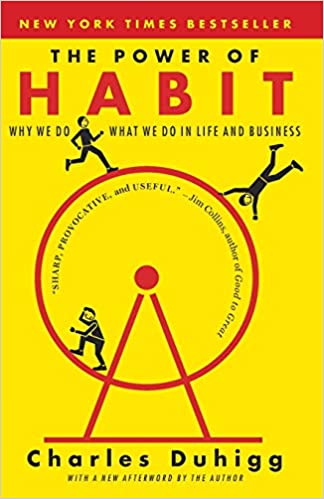
2. The Power of Habit: Why We Do What We Do in Life and Business

In The Power of Habit, Charles Duhigg shares scientific discoveries that explain why habits exist and how they can be changed. 

The information is presented through engaging stories that take us from the boardrooms of Procter & Gamble to the sidelines of the NFL to the front lines of the civil rights movement. 

The key thought that comes through this book is that you can achieve anything you want by first understanding how habits work.

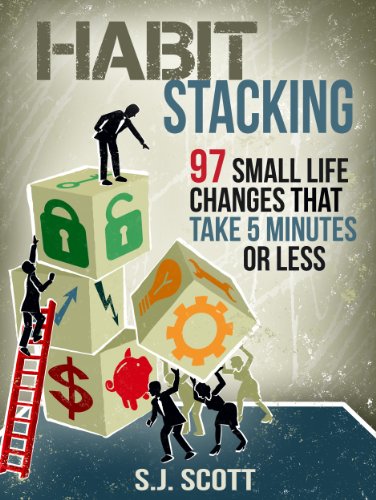
3. Habit Stacking: 97 Small Life Changes That Take Five Minutes or Less

In the book, you will discover 97 quick habits that can immediately enhance your life. You’ll also discover how to create a simple routine (managed by a checklist) that you repeat on a daily basis. 

You’ll also be given a few tools that will keep you motivated and consistent. So whether you’re stressed out or not, you’ll still find the time and energy to achieve these actions on a consistent basis.

S.J Scott believes that by achieving lots of small habits on a daily basis, you’ll be able to see huge shifts in your business, strengthen your personal relationships, get organised in all areas of your life — financial, health and other. 

Here’s To Forming New Habits And Kicking Old Ones

Knowing how to form new habits as a business owner is imperative. You have to get good at being able to change and implement. 

Most of us are not born entrepreneurs and so we have to be able to mould ourselves by forming new habits.

I always ask myself, “what would the habits of a successful CEO be?” 

Explore what habits you want to let go of and which ones you want to cultivate instead.

Align these with your values and goals in life and watch how things will shift in a big way!

I hope you found value in this guide and that it served you in some way. Please feel free to share in the comments below and ask me any questions. 

Please click the social icons to share this with your network and help inspire them to action today!

With love,
Nat

Free Download “Network Marketing: The Stay At Home Mums Guide To Making Money Online

Networking marketing guide